When pharmaceutical companies, biotechnology firms, universities, and research laboratories need peptide materials, purity is only one part of the purchasing decision. A useful research peptide must also have the correct identity, sequence, analytical profile, specifications, and documentation for the intended laboratory application.
That is why searches for high purity research peptides, pure peptides, best quality peptides, research peptides for sale, and reputable peptide companies should lead to a careful evaluation of the supplier rather than a simple price comparison.
For professional researchers, the goal is to source peptide materials with clearly defined specifications and appropriate analytical support.
What Are High-Purity Research Peptides?
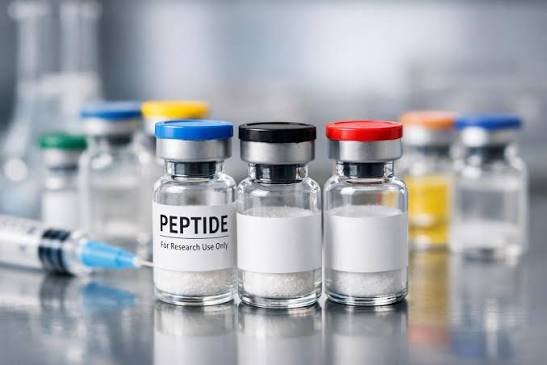
High-purity research peptides are synthetic peptide materials manufactured and purified according to a defined specification for laboratory research.
The term “high purity” generally refers to the proportion of the desired peptide relative to detectable impurities under a specified analytical method. However, a purity percentage alone does not provide a complete picture of material quality.
Researchers should also consider:
- Peptide identity
- Amino acid sequence
- Molecular mass
- Purity specification
- Analytical methodology
- Residual impurities
- Water or solvent content where relevant
- Counterion or salt form
- Batch information
- Storage requirements
- Certificate of analysis
The appropriate specification depends on the intended research application.
A peptide intended for exploratory laboratory research may have different requirements from a material being used as an analytical reference, assay component, or part of a more controlled development program.
Why Peptide Purity Matters in Research
Impurities can complicate experimental interpretation.
When researchers are investigating a biological response, analytical behavior, receptor interaction, or other property, an inadequately characterized material can introduce uncertainty into the results.
For this reason, peptide procurement should consider both chemical purity and identity.
A supplier reporting a purity value should ideally be able to explain how that value was determined and provide supporting analytical documentation where appropriate.
This is particularly important for pharmaceutical and biotechnology organizations where reproducibility, traceability, and documented specifications can be important components of research workflows.
How Are Research Peptides Tested?
Several analytical techniques can contribute to peptide characterization.
HPLC Analysis
High-performance liquid chromatography, commonly abbreviated as HPLC, is widely used to assess peptide purity.
The technique separates components within a sample based on their interaction with the chromatographic system. Researchers can use the resulting chromatogram to evaluate the presence of the desired peptide and detectable related components.
HPLC results can therefore provide useful information about chromatographic purity.
However, an HPLC chromatogram should not automatically be interpreted as proof of every characteristic of a peptide.
Mass Spectrometry
Mass spectrometry, including LC-MS workflows, can provide information about molecular mass and help support peptide identity.
When combined with chromatographic separation, LC-MS can provide complementary information about the composition and identity of a peptide sample.
Additional Characterization
Depending on the project, additional analytical approaches may be appropriate.
The testing package can be determined according to factors such as:
- Peptide sequence
- Molecular size
- Chemical modifications
- Research application
- Required purity
- Formulation or salt form
- Customer quality requirements
This is why researchers should discuss technical requirements with the supplier before ordering.
What Is a Certificate of Analysis?
A Certificate of Analysis, commonly called a COA, is a document associated with a particular batch or material that reports specified analytical or quality information.
For research peptides, documentation may include information such as:
- Product identification
- Batch or lot information
- Reported purity
- Analytical results
- Testing methods
- Molecular-weight information
- Manufacturing or testing dates
- Storage recommendations
The exact information contained in a COA varies between suppliers and products.
Researchers should review documentation carefully rather than assuming that every certificate provides the same level of information.
High Purity Does Not Mean Every Peptide Is Suitable for Every Experiment
One common misconception is that the highest advertised purity automatically makes a peptide the best choice.
In practice, suitability depends on the research objective.
A project may require:
- A particular sequence
- A specific modification
- A particular terminal group
- A defined purity threshold
- A specific salt or counterion
- A certain quantity
- Specialized analytical characterization
For example, a researcher investigating peptide structure may have different requirements from a team developing a receptor-binding assay.
The correct procurement decision therefore starts with the experimental requirements.
How to Choose a Research Peptide Supplier
Searching for a best peptide company, best peptide companies, or reputable peptide companies can produce many results.
Instead of relying on rankings or promotional claims, evaluate suppliers using objective criteria.
1. Technical transparency
A professional supplier should provide sufficient technical information for researchers to understand what they are ordering.
Look for clear information regarding:
- Sequence
- Product identity
- Purity
- Quantity
- Modifications
- Analytical testing
- Storage
- Packaging
2. Analytical capabilities
Ask whether the supplier can provide analytical characterization appropriate to the project.
HPLC and mass spectrometry are particularly relevant when researchers need evidence supporting purity and identity.
3. Custom synthesis capability
Catalog peptides are useful when the required material is already available.
However, research programs frequently require custom sequences or modifications.
A supplier offering custom peptide synthesis can evaluate project-specific requirements instead of limiting researchers to an existing catalog.
4. Peptide modification
Modification can be important in peptide research.
Depending on the research objective, scientists may require modifications involving peptide termini, labeling, conjugation, cyclization, or other chemical changes.
A supplier with peptide modification capabilities can help evaluate these requirements during project planning.
5. Communication
Good technical communication matters.
Before placing a substantial order, researchers should be able to communicate their specifications and receive a clear response regarding feasibility, testing, quantity, timeline, and documentation.
What Should You Ask Before Ordering Research Peptides?
Before purchasing pure peptides or high purity research peptides, consider asking the supplier:
- What is the exact peptide sequence?
- What purity specification is available?
- How is purity measured?
- Is HPLC data available?
- Is mass-spectrometry data available?
- What information is included on the COA?
- Is the peptide available as a catalog product?
- Can the peptide be synthesized to custom specifications?
- Can modifications be incorporated?
- What quantity options are available?
- How should the material be stored?
- What packaging is used for shipment?
These questions can quickly distinguish a technically capable peptide supplier from a supplier whose product information is primarily marketing-focused.
Catalog Peptides vs Custom Peptide Synthesis
Researchers generally encounter two major procurement pathways.
Catalog peptides
Catalog peptides are predefined materials that can be ordered according to an established specification.
They can be convenient when the exact peptide, purity, quantity, and analytical requirements already match the research project.
Custom peptides
Custom synthesis is more appropriate when the required peptide is not available as a standard catalog product or when the research team needs specific modifications or specifications.
Custom peptide synthesis can involve:
- Sequence design
- Solid-phase peptide synthesis
- Purification
- Modification
- Analytical characterization
- Scale selection
- Packaging
SciLight Biotechnology provides custom peptide synthesis and related peptide research services for organizations requiring project-specific peptide materials. Explore SciLight Biotechnology
What Makes a Peptide Supplier Suitable for B2B Research?
For pharmaceutical and biotechnology companies, purchasing requirements can extend beyond the product itself.
A suitable B2B peptide supplier should be able to discuss:
Technical specifications: What exactly is being supplied?
Quality documentation: What analytical records accompany the material?
Production requirements: Can the supplier produce the required sequence and scale?
Modification requirements: Can specialized peptide chemistry be accommodated?
Analytical testing: Can the required characterization be performed?
Communication: Can technical questions be addressed before and after ordering?
Project continuity: Can the supplier support additional batches or related sequences if the research program expands?
These considerations are especially relevant when a peptide is part of a larger discovery or development workflow.
High-Purity Peptides and Responsible Research
Research peptides should be handled according to the requirements of the laboratory and the applicable institutional and regulatory framework.
Research materials should not automatically be presented as approved pharmaceutical products.
This distinction is particularly important for peptides that are associated with weight management, hormones, muscle research, cosmetic applications, or other physiological effects.
Terms such as peptides for sale, peptides buy, and research peptides for sale describe commercial search behavior, not regulatory approval.
Professional procurement should therefore focus on the scientific identity and intended research application of the material.
How to Compare Peptide Suppliers
A simple supplier comparison can help research teams make a more informed decision.
| Evaluation Factor | What to Check |
|---|---|
| Identity | Exact peptide and sequence |
| Purity | Defined purity specification |
| HPLC | Chromatographic purity evidence |
| LC-MS | Molecular-mass/identity support |
| COA | Batch-specific documentation |
| Custom synthesis | Ability to produce requested sequences |
| Modification | Availability of specialized chemistry |
| Technical support | Ability to discuss research requirements |
| Packaging | Appropriate handling and storage |
| Scalability | Ability to support future requirements |
Price should be considered, but it should not be the only criterion.
A lower quoted price may not provide the same analytical package, purity specification, customization, or technical support as another supplier.
Why Researchers Should Request a Technical Quote
For professional research projects, a quotation should ideally reflect the actual specification instead of being based on a generic product listing.
Provide the supplier with:
- Peptide name or sequence
- Quantity
- Purity requirement
- Required modifications
- Analytical testing requirements
- Intended research application
- Desired delivery timeline
This allows the supplier to determine feasibility and prepare a more meaningful quotation.
SciLight Biotechnology’s research-oriented peptide services include custom synthesis, peptide modification, purification, analytical services, and related research support. SciLight Peptide Services
Frequently Asked Questions
What are high-purity research peptides?
High-purity research peptides are synthetic peptide materials produced and purified to a defined specification for laboratory research. Purity should be considered together with identity, sequence, analytical characterization, and documentation.
How is peptide purity determined?
HPLC is commonly used to evaluate chromatographic purity. Other analytical techniques, including mass spectrometry, can provide complementary information about peptide identity and molecular mass.
What should a peptide COA contain?
A COA may include product identification, batch information, purity results, analytical methods, molecular-weight information, and other quality data. The exact contents vary by supplier and product.
Are high-purity peptides suitable for every research application?
Not necessarily. Researchers should select a peptide according to the specific sequence, purity, modification, analytical, and experimental requirements of their project.
Should I buy catalog peptides or request custom synthesis?
Catalog peptides can be suitable when an existing product matches the research requirements. Custom synthesis may be preferable when a specific sequence, modification, quantity, or purity specification is required.
How do I find reputable peptide suppliers?
Evaluate suppliers based on technical transparency, analytical documentation, quality information, synthesis capabilities, customization, communication, and ability to support professional research requirements.
Can SciLight provide custom research peptides?
SciLight Biotechnology offers custom peptide synthesis and related peptide research services. Researchers can submit their peptide specifications for technical evaluation and quotation.
Request High-Purity Research Peptides
Selecting a research peptide supplier should be based on scientific requirements rather than marketing claims alone.
If your pharmaceutical company, biotechnology organization, laboratory, or research team requires high purity research peptides, begin by defining the sequence, quantity, purity target, modifications, analytical requirements, and intended research application.
SciLight Biotechnology can evaluate custom peptide requirements and provide research-oriented synthesis, modification, purification, and analytical support.
Request a technical quotation and provide your peptide specifications for evaluation.
Request a Quote from SciLight Biotechnology
Pingback: Peptide Testing: HPLC, LC-MS, Purity & Analysis Guide