
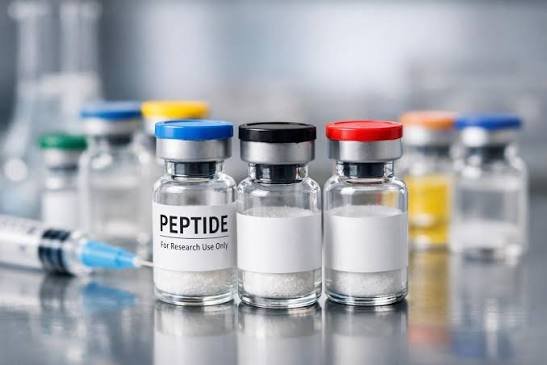
Peptide synthesis for assay development starts with a defined experimental question and a clear material specification. A research team may need one reference peptide, a group of variants, a labeled substrate or a panel designed to compare sequence behavior. A supplier quotation becomes more useful when the enquiry explains the assay objective and lists every peptide requirement clearly.
SciLight Biotechnology works with research organizations on custom peptide projects. Depending on the design, a project may be evaluated through custom peptide synthesis, peptide modification or peptide library synthesis.
Custom peptide synthesis for assay development: start with the assay requirement
Describe the purpose of the peptide in the assay, such as a reference material, target fragment, substrate, binding partner or sequence variant. State whether the peptide must remain unmodified or whether a label, linker or terminal group is required. The explanation helps the supplier understand the structure and reporting requirements, but the investigator remains responsible for establishing experimental suitability.
Prepare a complete sequence list
For a single peptide, provide the full sequence and chemical details. For a panel, use a spreadsheet with unique sample IDs, sequences and modification notes. Identify controls and distinguish the parent sequence from each variant. If the assay compares multiple peptide concentrations, specify the quantity required for each sample rather than only the overall project amount.
Specify labels and material format
Fluorescent labels, biotin, terminal tags or other conjugates should be described with an attachment site and linker details. State whether material is required individually packaged, pooled or arranged in plates. Make the labeling plan consistent with the way samples will be tracked in the assay workflow.
Agree on purity and characterization
Define the target purity and the analytical data required for the project. HPLC chromatographic purity and mass-based identity assessment provide different information. For modified peptides, the expected structure used for analytical review should include the label and linker. See SciLight analytical characterization for project-specific testing discussions.
Control variation across an assay panel
When several related peptides are sourced together, consistent sequence notation, sample labeling, purity definitions and analytical reporting are important. Agree whether all peptides share the same specification or whether certain sequences need individual review. A library format may be appropriate when the project includes many related variants.
Request peptides for assay development
Submit the assay context, sequence file, quantity per peptide, purity target, modifications, controls, packaging preferences and destination. Visit SciLight peptide synthesis services or send the specification through request a quotation.
Project scope and analytical suitability are confirmed individually. Research procurement information only.