HPLC Peptide Analysis
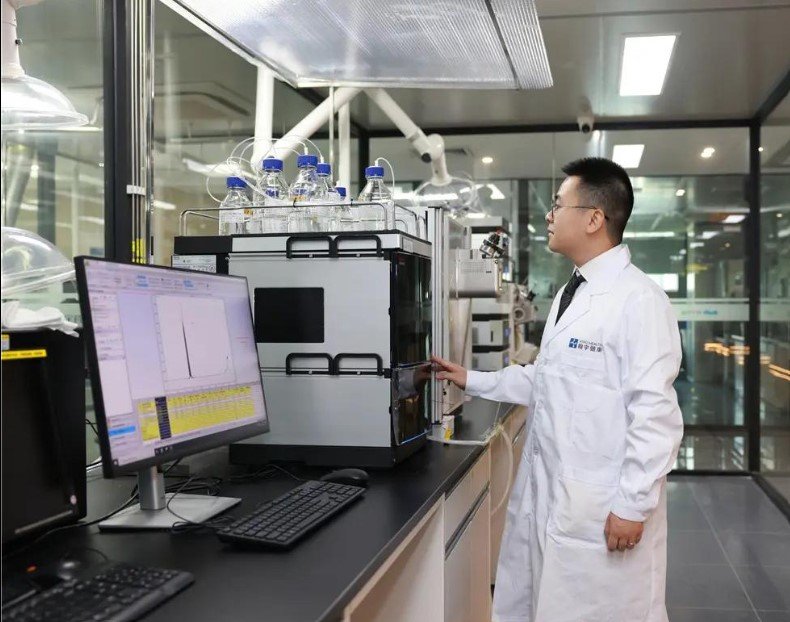
High-performance liquid chromatography can be used for chromatographic separation and peptide purity assessment. Results can also provide information about chromatographic profiles and related components.
Analytical services supporting peptide identity, purity, molecular characterization, and research requirements through appropriate analytical testing and data interpretation.
Analytical characterization is an important part of peptide research. It can provide information used to evaluate peptide identity, purity, molecular weight, and other relevant characteristics.
SciLight Biotechnology provides peptide analytical support that can be incorporated into custom peptide synthesis and research projects according to the requirements of the individual peptide.
The appropriate analytical approach depends on factors such as the peptide sequence, modifications, expected molecular properties, sample characteristics, and the scientific question being addressed.
Analytical methods should be selected according to the peptide and the information required for the research project. Common analytical approaches for peptide characterization include HPLC and mass spectrometry.
High-performance liquid chromatography can be used for chromatographic separation and peptide purity assessment. Results can also provide information about chromatographic profiles and related components.
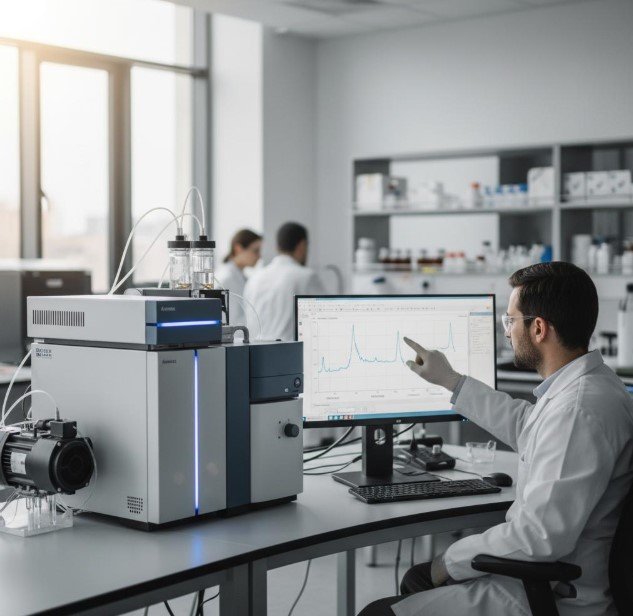
Liquid chromatography coupled with mass spectrometry combines chromatographic separation with mass-based analysis to support peptide identity and molecular characterization.
Mass spectrometric analysis can provide molecular mass information that supports peptide identity assessment and evaluation of expected molecular characteristics.
Chromatographic analysis can be used to assess peptide purity and identify chromatographic components requiring further investigation.
Analytical data can be compared with expected molecular characteristics to support confirmation of the intended peptide.
Analytical requirements can be evaluated according to the peptide sequence, modifications, research objective, and requested specifications.
Analytical characterization can provide information about several important peptide attributes. The exact scope depends on the peptide and the analytical requirements of the project.
Assessment of molecular characteristics against the expected peptide.
Chromatographic assessment of the main peptide component and related peaks.
Mass-based information supporting peptide molecular characterization.
Analytical evaluation of selected peptide modifications where applicable.
Analytical projects are structured around the peptide, sample information, requested testing, and research objectives.
Review the peptide sequence, modifications, sample information, and analytical requirements.
Determine appropriate analytical methods according to the project requirements.
Perform the agreed analytical evaluation using the selected analytical approach.
Provide analytical information and relevant results according to the agreed project scope.
Providing clear project information helps the analytical team understand the sample and determine the appropriate testing scope.
The information provided depends on the analytical methods and project scope agreed for the peptide.
Common questions about peptide characterization, HPLC, LC-MS, purity, identity, and analytical project requirements.
Peptide characterization involves analytical evaluation of a peptide to obtain information about attributes such as identity, purity, molecular weight, and other relevant characteristics.
HPLC peptide analysis uses high-performance liquid chromatography to separate peptide components and can be used to assess chromatographic purity and related components.
LC-MS combines liquid chromatography with mass spectrometry. The chromatography separates components while mass spectrometry provides molecular mass information that can support peptide identity and characterization.
Analytical data can provide evidence supporting peptide identity. Mass spectrometry and chromatographic information may be used together depending on the peptide and the requirements of the project.
Modified peptide analysis can be evaluated according to the specific modification, peptide structure, analytical objective, and sample characteristics. Share the peptide sequence and modification details when requesting an analytical assessment.
Provide the peptide sequence when available, expected molecular weight, known modifications, sample information, desired analytical methods, and the purpose of the testing. Additional information may be requested depending on the project.
Send your peptide sequence, modification details, sample information, or analytical requirements to discuss the appropriate testing scope for your research project.
Request an Analytical Services Quote